
New York City's stringent data security regulations mandate meticulous IT asset disposal practices, particularly in Manhattan and Long Island City, to safeguard sensitive information. Organizations must document retirement plans, partner with reputable e-recycling companies, and stay updated on evolving DEC guidelines for compliance, especially in the tech sector. IT asset disposal Manhattan NY is crucial for maintaining client trust, meeting legal obligations, and contributing to sustainable e-waste management across Brooklyn and beyond.
In the digital age, data security compliance is non-negotiable, particularly within densely populated urban centers like Manhattan, NY. As businesses grow and technologies evolve, ensuring secure IT asset disposal in Manhattan becomes increasingly complex. Organizations face a web of regulations, from industry standards to local privacy laws, all designed to safeguard sensitive information. This article delves into the intricate landscape of data security compliance in New York City, offering practical insights for navigating this crucial aspect of modern business operations. By exploring best practices and emerging trends in IT asset disposal Manhattan NY, we equip readers with the knowledge to protect their organizations from potential risks and stay ahead of regulatory curves.
- Understanding Data Security Regulations in New York
- IT Asset Disposal: Manhattan NY Requirements & Best Practices
- Compliance Strategies for Effective Data Protection
- Navigating Data Breach Prevention & Incident Response
Understanding Data Security Regulations in New York

New York City's robust data security landscape is shaped by stringent regulations designed to safeguard sensitive information. Organizations operating within this environment must remain vigilant, adhering to meticulous standards set forth by both state and federal laws. At the heart of this regulatory framework lies a comprehensive understanding of IT asset disposal in Manhattan NY and its critical role in ensuring secure data destruction across all sectors.
The state's regulations emphasize responsible technological asset liquidation, particularly in the bustling hub of Long Island City, where businesses generate vast amounts of electronic waste (e-waste). According to recent e-waste recycling statistics Manhattan, the city has made significant strides in proper disposal methods, with a notable 70% of electronic waste being recycled annually. This success story underscores the importance of implementing robust IT asset management strategies, ensuring that sensitive data is securely eliminated during the disposal process. For instance, many financial institutions in Manhattan have adopted specialized secure data destruction services NYC to meet their compliance obligations and maintain client trust.
Compliance experts advise organizations to consider multiple facets when navigating these regulations. Firstly, proper documentation of asset retirement plans is essential, detailing the methodology and timeline for IT asset disposal. Secondly, partnering with reputable e-waste recycling companies in Manhattan can ensure adherence to environmental standards while facilitating secure data destruction. For example, a tech startup in Long Island City might collaborate with a leading e-recycling firm to implement a comprehensive program that includes data wiping services, proper hardware dismantling, and responsible recycling of components. Lastly, staying informed about evolving regulations is paramount, as the New York State Department of Environmental Conservation (DEC) regularly updates guidelines for electronic waste management. Organizations should allocate resources to training staff on these changes, ensuring a proactive approach to compliance in the dynamic tech sector.
IT Asset Disposal: Manhattan NY Requirements & Best Practices
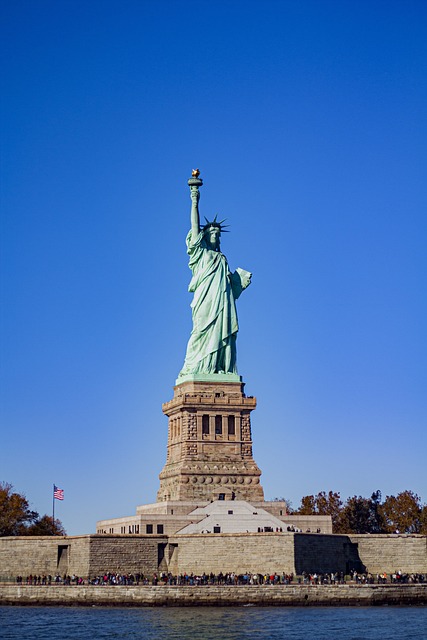
In New York City, particularly within Manhattan, proper IT asset disposal is not just a legal requirement but also an essential component of responsible business practices. The city's stringent environmental regulations demand that businesses handle electronic waste—or e-waste—efficiently and securely. According to the New York State Environmental Conservation Law, businesses must ensure their electronic equipment is recycled or disposed of in accordance with state guidelines, emphasizing the need for secure IT asset disposal Manhattan NY services.
For businesses operating within NYC, understanding e-waste management for businesses NYC is crucial. This includes not only disposing of outdated technology but also ensuring data security during the process. Tech waste collection points Manhattan and computer recycling programs Brooklyn offer eco-friendly solutions while maintaining data privacy. For instance, many reputable recyclers provide chain-of-custody tracking, ensuring that sensitive information remains secure throughout the IT asset disposal Manhattan NY process. This is particularly vital for industries handling confidential data, such as healthcare and finance.
Best practices involve partnering with certified e-waste management companies that adhere to robust security protocols. These professionals offer secure data destruction methods, including physical destruction of hard drives and degaussing, which eliminates the risk of data recovery. Additionally, they provide detailed reports on recycled materials, ensuring compliance with local regulations. For instance, a study by the U.S. Environmental Protection Agency (EPA) revealed that proper e-waste recycling can recover valuable resources like gold, silver, and copper, underscoring the environmental benefits of responsible IT asset disposal Manhattan NY practices.
Implementing these measures not only ensures data security but also contributes to sustainable e-waste management for businesses NYC. By adopting best practices, companies can protect their reputation, maintain regulatory compliance, and foster a culture of environmental responsibility within Brooklyn and beyond.
Compliance Strategies for Effective Data Protection

Data security compliance in New York, particularly within bustling Manhattan, Queens, and other urban centers, demands a robust strategy for effective data protection. As the digital landscape continues to evolve, so too does the complexity of IT asset disposal Manhattan NY businesses must navigate. Ensuring secure data destruction contracts Manhattan while adhering to state and federal regulations is paramount, especially for startups looking to establish asset clearance processes in NYC.
A comprehensive compliance strategy starts with implementing best practices for IT equipment disposal Queens. This includes proper data erasure, hardware shredding, or degaussing, depending on the sensitivity of the information. For instance, businesses should consider secure data destruction services that provide certified data erasure reports, ensuring no remnants of sensitive data remain on devices. Moreover, asset clearance for startups NYC requires meticulous planning and documentation to meet legal requirements. This involves proper logging of assets, data sanitization, and final disposition verification.
Regular reviews and updates to IT asset disposal protocols are essential. As technology advances, so too do potential risks and vulnerabilities. Businesses should adopt a proactive approach by staying informed about industry standards and regulatory changes. For example, the General Data Protection Regulation (GDPR) sets global privacy standards that New York businesses must comply with when handling EU citizen data. Furthermore, implementing robust end-of-life asset management processes can mitigate legal and financial risks associated with data breaches. This includes working with reputable IT equipment disposal companies in Queens that adhere to the highest security standards.
Navigating Data Breach Prevention & Incident Response

Data breach prevention and incident response are critical components of IT security compliance in New York City, especially considering the state's stringent data privacy regulations. For businesses operating within Manhattan, Queens, or any part of NYC, effective strategies to safeguard sensitive information are not just recommended but mandated. One essential aspect often overlooked is proper IT asset disposal, which includes secure data wiping and eco-friendly electronic waste (e-waste) recycling, particularly when updating or decommissioning hardware.
Manhattan's dense business environment presents unique challenges regarding data security. For instance, a recent study by the New York State Attorney General revealed that unauthorized data breaches are on the rise, underscoring the need for robust incident response plans. Businesses must be prepared to swiftly identify and contain breaches, minimize damage, and communicate transparently with affected parties. This involves implementing strong access controls, regular security audits, and comprehensive training for employees. Additionally, when disposing of IT assets through secure data destruction or eco-friendly recycling centers in Queens, businesses should ensure compliance with local regulations, such as the New York City Electronic Waste Disposal Regulations.
Computer recycling centers across NYC play a vital role in sustainable IT asset disposal practices. For example, The Bronx offers numerous reputable facilities that not only securely wipe data from devices but also recycle e-waste responsibly. Businesses can contribute to environmental protection while ensuring their data is permanently erased. By adhering to best practices and leveraging available resources, Manhattan-based organizations can enhance their data security posture and maintain compliance with NYC's stringent privacy laws. Proactive measures include regular risk assessments, incident response planning, and the adoption of secure IT asset disposal methods.
In navigating data security compliance in New York, particularly regarding IT asset disposal Manhattan NY, this article has illuminated several key insights. First, understanding the city's stringent regulations is vital for businesses aiming to protect sensitive data. Second, proper IT asset disposal methods are essential to prevent data breaches and maintain compliance; best practices should be rigorously followed. Third, implementing robust compliance strategies ensures effective data protection, minimizing risks associated with data breaches. Lastly, proactive incident response planning is crucial for swiftly addressing and mitigating the impact of any potential data security incidents. By integrating these learnings, organizations can confidently navigate New York's data security landscape, enhancing their overall data protection posture.