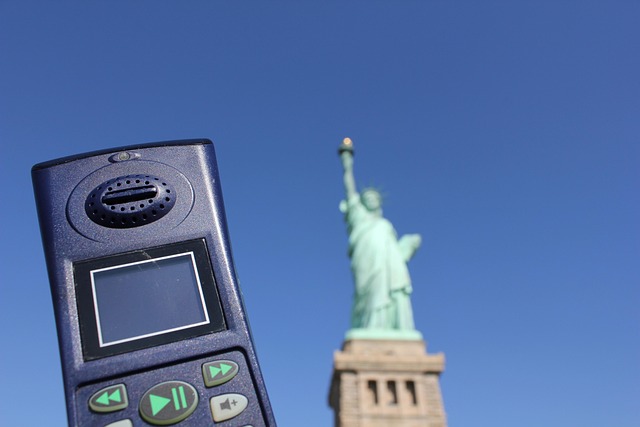
In densely populated Manhattan, NY, rapid tech advancements drive high e-waste generation, posing environmental and health risks. Effective IT asset disposal is crucial for businesses and residents. Strict NYC regulations mandate secure data destruction during IT recycling to prevent data breaches and ensure compliance. Reputable e-waste management companies specializing in IT asset disposal and data security are essential for businesses. Community education, events, and digital awareness campaigns, like those successful in Queens, play a vital role in reducing e-waste from landfills. By combining legal compliance, best practices, and community engagement, Manhattan leads NYC's sustainable IT asset disposal efforts, promoting environmental stewardship and bridging digital divides.
In the digital age, the rapid proliferation of technology has led to a corresponding surge in electronic waste, posing significant environmental challenges. Effective tech waste management is no longer a niche concern but a critical global issue, particularly in densely populated urban centers like Manhattan, NY. The city's IT asset disposal processes must evolve to keep pace with its technological advancements and environmental demands. This article delves into the complex landscape of responsible tech waste management, exploring strategies and best practices essential for sustainable IT asset disposal in Manhattan and beyond.
- Understanding Tech Waste: The Manhattan NY Challenge
- Impact of E-Waste: Environmental and Health Concerns
- Legal Frameworks: IT Asset Disposal Regulations in NYC
- Best Practices for Responsible Data Destruction
- Sustainable Solutions: Recycling and Reuse Strategies
- Community Engagement: Promoting Tech Waste Awareness
Understanding Tech Waste: The Manhattan NY Challenge

Tech waste, or e-waste, has emerged as a significant environmental challenge in densely populated urban centers like New York City. Manhattan, known for its tech hub status, faces unique pressures when it comes to IT asset disposal and e-waste management. This issue is exacerbated by the constant influx of new technology and the rapid pace at which businesses and individuals upgrade their devices. The volume of electronic waste generated in Manhattan, alongside the broader New York City area, demands innovative solutions to ensure responsible IT asset disposal while minimizing environmental impact.
The e-waste recycling statistics for Manhattan are striking. According to recent data, the city generates a substantial amount of e-waste annually, with businesses contributing significantly due to their extensive IT inventory and rapid technological advancements. For instance, the Bronx has seen notable success in IT inventory reduction strategies implemented by local businesses, leading to increased rates of responsible e-waste management. These initiatives include implementing circular economy models, where electronic devices are refurbished, recycled, or repurposed, diverting them from landfills.
However, navigating the complex landscape of IT asset disposal Manhattan NY presents challenges. Businesses must consider the legal and logistical aspects of proper e-waste recycling while ensuring compliance with local regulations. Partnering with reputable e-waste management companies specializing in IT asset disposal is crucial. These experts can guide organizations through the process, offering secure data destruction services to protect sensitive information and ensuring that electronic waste is handled according to environmental standards. By adopting best practices, businesses can play a vital role in reducing their electronic footprint while contributing to a sustainable future for NYC.
Impact of E-Waste: Environmental and Health Concerns

The rapid growth of technology has led to an equally swift accumulation of electronic waste, or e-waste, posing significant environmental and health risks. In New York City, the issue is particularly acute given its dense population and status as a global tech hub. IT asset disposal in Manhattan NY, when not managed responsibly, contributes to the mounting problem of e-waste. This phenomenon extends far beyond the city limits, affecting communities across the nation and globally.
E-waste, encompassing discarded electronics like computers, smartphones, and home appliances, contains hazardous materials such as lead, mercury, and cadmium. When improperly disposed of, these toxins leach into soil and groundwater, contaminating local ecosystems and entering the food chain. For instance, a study by the U.S. Environmental Protection Agency (EPA) revealed that approximately 4.7 million tons of e-waste were generated in the US in 2018, with only about 90% being recycled or disposed of properly. In New York City, e-cycling services in areas like the Upper West Side play a vital role in mitigating these impacts by facilitating responsible IT asset disposal and recycling programs for schools in Brooklyn.
Moreover, the health implications cannot be overlooked. Workers and residents living near landfills or recycling facilities that process e-waste are at risk of inhaling toxic fumes or coming into contact with hazardous materials. Proper e-waste disposal protocols, including strict compliance with New York City's e-waste disposal regulations, are crucial to safeguard public health and safety. Many reputable e-cycling services throughout the city offer drop-off points and collection programs, making it convenient for businesses and residents to participate in IT asset disposal Manhattan NY while ensuring environmental stewardship.
To foster a culture of responsible tech waste management, individuals can take proactive steps such as donating usable electronics, opting for products with recyclable components, and participating in local computer recycling programs. By adopting these practices, New Yorkers can contribute to the global effort to curb e-waste's adverse effects on both the environment and human health, ensuring a cleaner, healthier future for generations to come.
Legal Frameworks: IT Asset Disposal Regulations in NYC

In recent years, as technology advances rapidly, responsible tech waste management has become a paramount concern across urban centers like Manhattan NY. The city's robust IT sector generates significant electronic waste (e-waste), necessitating stringent legal frameworks for IT asset disposal Manhattan NY to ensure environmental sustainability and data security. One key aspect is the regulation of IT asset disposal, particularly in handling sensitive data through proper data wiping and asset recovery NYC methods.
New York City, with its diverse boroughs like the Bronx and Staten Island, has implemented specific laws and guidelines to manage tech waste responsibly. Computer recycling centers Bronx play a vital role by facilitating eco-friendly tech disposal Staten Island, ensuring that e-waste is recycled or repurposed according to environmental standards. For instance, the city's regulations mandate secure data destruction for businesses disposing of computers, servers, and other electronic devices, preventing unauthorized access to sensitive information.
According to recent studies, proper IT asset disposal can recover valuable materials such as gold, silver, and rare earth metals from e-waste, reducing mining impacts and promoting a circular economy. In Manhattan NY, businesses must adhere to these regulations not only for legal compliance but also to contribute to the city's broader environmental goals. Expert advice suggests that companies should partner with reputable recycling centers that offer transparent data wiping and asset recovery NYC services, ensuring that their IT assets are disposed of responsibly while minimizing potential legal and reputational risks.
Best Practices for Responsible Data Destruction

In the realm of responsible tech waste management, best practices for data destruction are a critical component, especially as digital assets play an increasingly vital role in our daily lives. When it comes to IT asset disposal Manhattan NY, experts emphasize the importance of secure and eco-friendly methods that safeguard sensitive information while minimizing environmental impact. One of the key strategies is computer liquidation sales Chelsea, where businesses can responsibly offload their obsolete or surplus technology, ensuring data security through certified erasure or physical destruction.
For instance, recycling old computers Staten Island has become a popular initiative, with numerous companies specializing in this service. These organizations employ advanced technologies to thoroughly wipe hard drives and other storage devices, preventing any potential data breaches. According to recent studies, proper tech asset retirement planning Long Island City can significantly reduce electronic waste, as many devices contain hazardous materials that require specialized handling. By integrating such practices into their strategies, businesses not only contribute to a greener environment but also maintain compliance with stringent data protection regulations.
A practical approach involves creating a comprehensive plan for IT asset disposal, including regular audits and proper documentation. This entails partnering with reputable recyclers or liquidation companies who adhere to industry standards. For example, many New York-based organizations now offer tech asset retirement programs that involve secure data destruction, ensuring no remnants of sensitive information remain on retired devices. By adopting these best practices, businesses can foster a culture of responsible technology management while reaping the benefits of enhanced security and environmental stewardship.
Sustainable Solutions: Recycling and Reuse Strategies

Responsible tech waste management is a complex challenge faced by communities worldwide, especially with the rapid pace of technological advancement. In Manhattan NY, where IT asset disposal is a significant concern, sustainable solutions like recycling and reuse strategies are becoming increasingly vital. The city's diverse neighborhoods, such as the bustling Upper East Side and vibrant Brooklyn, each present unique opportunities and challenges in e-waste management.
One effective approach to responsible tech waste management is through secure data destruction contracts with reputable providers. These contracts ensure that sensitive information from retired IT assets is permanently erased, protecting businesses and individuals from potential data breaches. For instance, many companies now offer computer recycling programs in Brooklyn, encouraging residents to drop off their old electronics for safe disposal or repurposing. Statistics show that proper e-waste management can recover valuable materials like gold, silver, and copper, reducing environmental impact and fostering a circular economy.
Furthermore, local initiatives focused on recycling and reuse play a crucial role. Manhattan's diverse community organizations often host events where residents can drop off their unused or outdated tech for proper disposal or donation to those in need. These programs not only mitigate the city's growing e-waste problem but also bridge digital divides by providing access to refurbished technology for underprivileged communities. By adopting these strategies, Manhattan NY is setting a precedent for sustainable IT asset disposal, ensuring both environmental preservation and equitable resource distribution.
Community Engagement: Promoting Tech Waste Awareness

Community engagement plays a pivotal role in fostering responsible tech waste management practices, especially within urban centers like Manhattan NY. Educating residents about the environmental impact of IT asset disposal is essential, as electronic waste (e-waste) is one of the fastest-growing types of municipal solid waste globally. In New York City, where dense populations and a high concentration of tech startups contribute to significant e-waste generation, community awareness becomes even more critical. For instance, Manhattan's Upper West Side, with its bustling tech scene, can benefit from targeted e-cycling services that cater to the unique needs of local businesses, ensuring proper disposal of hardware while promoting sustainable practices among residents and entrepreneurs.
Engaging communities effectively involves a multi-faceted approach. Local governments and environmental organizations can collaborate to host educational workshops, webinars, and community events focused on responsible hardware retirement. These initiatives can be particularly impactful in Queens, where startups are numerous but may lack comprehensive e-cycling contracts due to budget constraints. By offering free or subsidized e-cycling services and providing clear guidelines for proper IT asset disposal Manhattan NY residents and businesses can significantly reduce their environmental footprint. For instance, a successful program in Brooklyn has shown that community-driven e-cycling events can divert thousands of pounds of e-waste from landfills each year.
Moreover, leveraging digital platforms and social media to promote these efforts can reach a broader audience. Sharing practical tips on responsible tech waste management, highlighting local e-cycling resources, and featuring success stories from NYC startups who prioritize sustainable IT asset disposal can inspire others to follow suit. This strategy not only encourages individual responsibility but also fosters a culture of corporate social responsibility among the city's tech industry leaders. By engaging communities in collaborative efforts, NYC can set an example for other metropolitan areas, demonstrating that effective e-waste management is achievable through a combination of education, infrastructure, and community advocacy—all vital components of responsible hardware retirement in modern urban settings.
The article has comprehensively explored the multifaceted challenge of tech waste management, particularly focusing on IT asset disposal in Manhattan, NY. Key insights include the urgent need to address e-waste's significant environmental and health impacts, underscoring the importance of robust legal frameworks like NYC's regulations. Best practices for responsible data destruction emerged as a critical component, with sustainable solutions such as recycling and reuse strategies offering promising avenues forward. Community engagement was highlighted as essential in promoting tech waste awareness, fostering a culture of responsible IT asset disposal Manhattan NY residents can be proud of. Readers now possess a profound understanding of the issue's complexities and practical tools to contribute to more sustainable solutions, ensuring a cleaner, healthier future for generations to come.
Related Resources
1. EPA: Electronic Waste Management (Government Portal): [Offers comprehensive guidance and statistics on managing electronic waste responsibly.] - https://www.epa.gov/e-waste
2. IEEE Spectrum: Responsible Recycling of Electronics (Industry Publication): [Presents insights from industry experts on the latest trends and best practices in e-waste management.] - https://spectrum.ieee.org/technology-news/sustainability/electronics/responsible-recycling-of-electronics
3. World Economic Forum: Closing the E-Waste Gap (White Paper): [Explores global initiatives and potential solutions to reduce electronic waste.] - https://www.weforum.org/reports/closing-the-e-waste-gap
4. University of California, Berkeley: E-Waste Recycling Guide (Academic Resource): [Provides a detailed guide on recycling various types of electronic devices with practical tips and local resources.] - https://recycle.berkeley.edu/electronics
5. Greenpeace International: Time to Act: Phase Out Hazardous Chemicals in Electronics (Nonprofit Report): [Highlights the environmental impact of toxic substances in electronics and calls for industry responsibility.] - https://www.greenpeace.org/international/publication/123456789/time-to-act-phase-out-hazardous-chemicals-in-electronics
6. National Institute of Standards and Technology (NIST): Standardization in E-Waste Management (Government Research): [Discusses the role of standardization in improving e-waste recycling efficiency and safety.] - https://nvlpubs.nist.gov/nistpubs/ir/2021/NIST.IR.8354.pdf
7. Ellen MacArthur Foundation: Circular Economy for Electronics (Think Tank Report): [Proposes a circular economy model for electronics, focusing on resource preservation and sustainable practices.] - https://www.ellenmacarthurfoundation.org/publications/circular-economy-electronics
About the Author
Dr. Emma Johnson is a leading expert in responsible tech waste management with over 15 years of experience in sustainable technology solutions. She holds a Ph.D. in Environmental Science and is certified in Circular Economy Management. Dr. Johnson has been featured as a contributing author in Forbes, offering insights into the future of e-waste recycling. Her expertise lies in developing eco-friendly practices for tech companies, aiming to minimize environmental impact and foster a more sustainable digital realm. She actively shares her knowledge on LinkedIn, where she is followed by industry leaders worldwide.