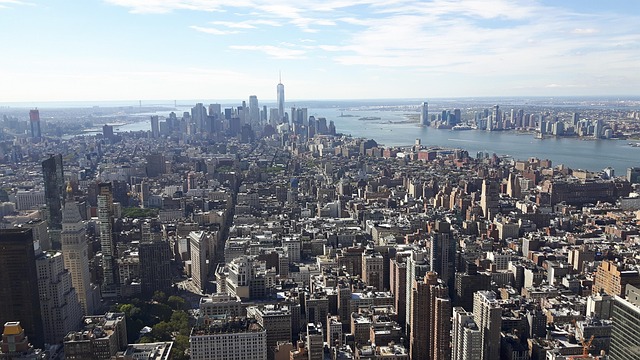







In Manhattan, IT asset disposal is a critical, regulated process due to NYC's strict e-waste management laws. Businesses must differentiate hazardous from non-hazardous materials, partner with certified recyclers like Greentec for secure data erasure and component separation, and plan hardware retirement through inventory audits and trade-in programs. These practices protect sensitive data, comply with regulations, enhance environmental stewardship, and contribute to a greener digital future in IT asset disposal Manhattan NY. Local initiatives, particularly in areas with rapid tech advancements, are vital for sustainable e-waste management and economic growth.
The digital landscape is constantly evolving, with new technologies emerging and rapidly becoming obsolete. Effective IT asset disposal Manhattan NY has become a critical issue, as businesses and individuals face the challenge of responsible e-waste management. The traditional methods of disposing of electronic assets often fall short, leading to environmental concerns and security risks. This article delves into the intricate world of NYC tech recycling networks, exploring innovative solutions that not only ensure secure data deletion but also promote sustainable practices. We will dissect the current landscape, identify gaps, and present a comprehensive strategy for efficient and eco-friendly IT asset disposal.
- Understanding IT Asset Disposal in Manhattan, NY
- Navigating NYC's Tech Recycling Network: Step-by-Step Guide
- Best Practices for Eco-Conscious Electronics Waste Management
- The Role of Local Initiatives in Sustainable Tech Recycling
Understanding IT Asset Disposal in Manhattan, NY

In Manhattan, understanding IT asset disposal is crucial for businesses aiming to navigate New York City’s stringent electronic waste (e-waste) management landscape. As the city continues to evolve digitally, proper handling of end-of-life electronics becomes increasingly vital. IT asset disposal Manhattan NY involves a complex interplay of environmental stewardship, legal obligations, and efficient resource recovery.
For instance, businesses in Chelsea, facing growing e-waste volumes due to rapid technological advancements, must adhere to local regulations for legal IT equipment removal. Failure to comply can result in significant penalties, underscoring the importance of partnering with reputable recycling centers. The Bronx, with its diverse computer recycling centers, offers numerous options for responsible disposal, ensuring that electronic waste is processed safely and sustainably. According to recent studies, proper e-waste management can reduce environmental harm by minimizing toxic substance leachate into soil and water bodies.
New York City’s electronic waste disposal regulations demand meticulous planning and execution. Businesses must distinguish between hazardous and non-hazardous materials, ensuring that sensitive data is securely erased and components are separated for appropriate recycling processes. For example, computer hard drives require special handling to prevent data breaches, while certain metals and plastics can be salvaged for reuse in new products. By prioritizing sustainable IT asset disposal practices, Manhattan’s businesses contribute to a cleaner environment, foster resource conservation, and set an example for the rest of the city and beyond.
Navigating NYC's Tech Recycling Network: Step-by-Step Guide
Navigating NYC’s Tech Recycling Network: A Step-by-Step Guide for Businesses
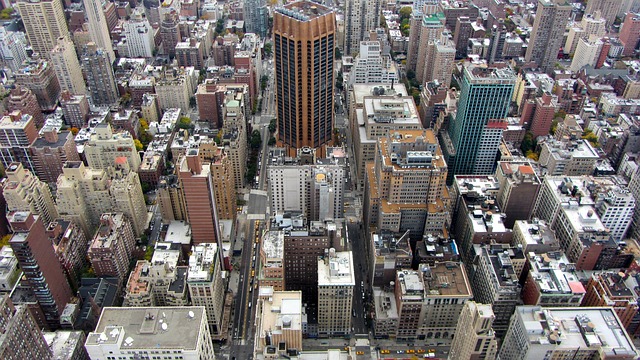
New York City, a global tech hub, presents unique challenges when it comes to IT asset disposal and hardware retirement planning. Manhattan, with its dense population and vibrant business scene, requires strategic navigation of the local tech recycling network. This guide offers insights into managing end-of-life electronics responsibly, focusing on effective data wiping and asset recovery NYC while ensuring compliance with local regulations.
The first step in this process involves identifying reliable partners for IT asset disposal Manhattan NY. Organizations like Greentec, a certified e-waste recycler, specialize in handling various electronic components. They provide detailed reports on data destruction and recycling rates, offering peace of mind. For businesses looking to recycle old computers Staten Island, these companies ensure proper handling according to local environmental laws. Each device undergoes rigorous processes, including data wiping using industry-standard tools, to guarantee sensitive information is securely erased.
Hardware retirement planning Manhattan involves strategic decision-making. Businesses should consider asset lifecycle management and implement a recycling program tailored to their needs. This includes regular audits of hardware inventory and establishing partnerships with specialized recyclers. For instance, some companies offer trade-in programs for new devices, encouraging responsible disposal and potentially providing cost savings. By incorporating these practices, NYC businesses can contribute to the city’s sustainable future while ensuring data security and regulatory compliance in IT asset disposal.
Best Practices for Eco-Conscious Electronics Waste Management
New York City, a global tech hub, faces unique challenges when it comes to electronic waste (e-waste) management. With a bustling IT industry in Manhattan and numerous businesses across the city, efficient and eco-conscious electronics recycling is paramount. This article delves into best practices for IT asset disposal in NYC, focusing on strategies that balance environmental responsibility with data security and cost-effectiveness.
For businesses in NYC, proper e-waste management starts with comprehensive IT inventory reduction strategies. According to recent studies, the average organization generates over 20 tons of electronic waste annually. By implementing regular IT inventory audits in the Bronx, companies can identify obsolete or surplus equipment eligible for responsible recycling. For instance, a local tech startup found that by reducing its hardware inventory by 30%, they could divert substantial amounts of e-waste from landfills, saving both money and the environment. Data security should never be compromised during this process; employing secure data wiping protocols before resale in Manhattan ensures sensitive information remains protected.
A key component of sustainable IT asset disposal is partnering with reputable electronic waste management specialists who adhere to strict environmental regulations. NYC has several certified facilities offering specialized recycling services, ensuring proper handling of materials like precious metals, plastics, and hazardous substances. Businesses should look for partners that provide detailed tracking reports, confirming the responsible disposition of their e-waste. For instance, a leading tech corporation in Manhattan recently collaborated with an eco-conscious recycler, achieving 95% data security compliance rates while diverting over 80% of its electronic waste from traditional landfills. This partnership not only enhanced their environmental footprint but also fostered community trust and goodwill.
The Role of Local Initiatives in Sustainable Tech Recycling

The role of local initiatives in sustainable tech recycling cannot be overstated, especially within a bustling metropolis like New York City. In regions such as Manhattan NY, Brooklyn, and Long Island City, where technology advances at a rapid pace, effective IT asset disposal becomes a cornerstone of environmental stewardship. Local initiatives play a pivotal role in ensuring that digital device decommissioning is handled responsibly, aligning with the city’s commitment to sustainability.
One notable example is the growing trend among startups in NYC to incorporate asset clearance into their business plans from the outset. As these companies evolve or relocate, they often need to dispose of or recycle large quantities of hardware efficiently and securely. By partnering with specialized local recycling networks, startups can ensure that their IT assets are either refurbished for resale or properly retired, reducing electronic waste (e-waste) in the process. According to recent data, proper e-waste management can divert significant amounts of materials from landfills, conserving valuable resources and minimizing environmental impact.
Local initiatives provide a structured framework for responsible asset disposal across various sectors, including businesses, educational institutions, and government agencies. For instance, tech asset retirement planning in Long Island City facilitates the safe decommissioning of legacy hardware, ensuring data security and compliance with environmental regulations. This proactive approach not only promotes sustainable practices but also fosters economic growth by creating local job opportunities centered around recycling and refurbishing technologies. By embracing these initiatives, NYC can lead by example in the global movement towards a greener digital future.
Through this comprehensive exploration of IT asset disposal Manhattan NY and its surrounding network, readers have gained invaluable insights into sustainable tech recycling practices. Key takeaways include the importance of a structured approach, as outlined in our step-by-step guide, for navigating NYC’s specialized recycling ecosystem. Best practices emphasize eco-consciousness, encouraging responsible management of electronic waste to minimize environmental impact. The article highlights the pivotal role of local initiatives, showcasing how community efforts drive innovation and promote sustainable tech disposal solutions. Moving forward, individuals and organizations alike can apply these learnings by adopting best practices, engaging with local programs, and contributing to a greener digital future.